For the vast majority of travelers heading to Machu Picchu, Ollantaytambo is the last stop before boarding the train that carries them into the mountains. It’s easy to underestimate this leg of the journey — after all, it’s “just” a drive from Cusco — but getting it wrong can mean missing a train that, unlike a bus, will not wait for you. This guide breaks down everything you need to know about the Cusco-to-Ollantaytambo journey: why it matters so much, your transportation options, timing considerations, and what to expect once you arrive.
Table of Contents
Why Ollantaytambo Is Such a Critical Connection Point
Machu Picchu cannot be reached by road. The only ways in are by train (the most common option), by a combination of van and hike via the Hydroelectrica route, or on foot via multi-day trekking routes like the Inca Trail. For the overwhelming majority of visitors, that means a train — and most Machu Picchu trains depart from one of two stations: Ollantaytambo or Poroy, with Ollantaytambo handling the majority of daily departures from both PeruRail and Inca Rail.
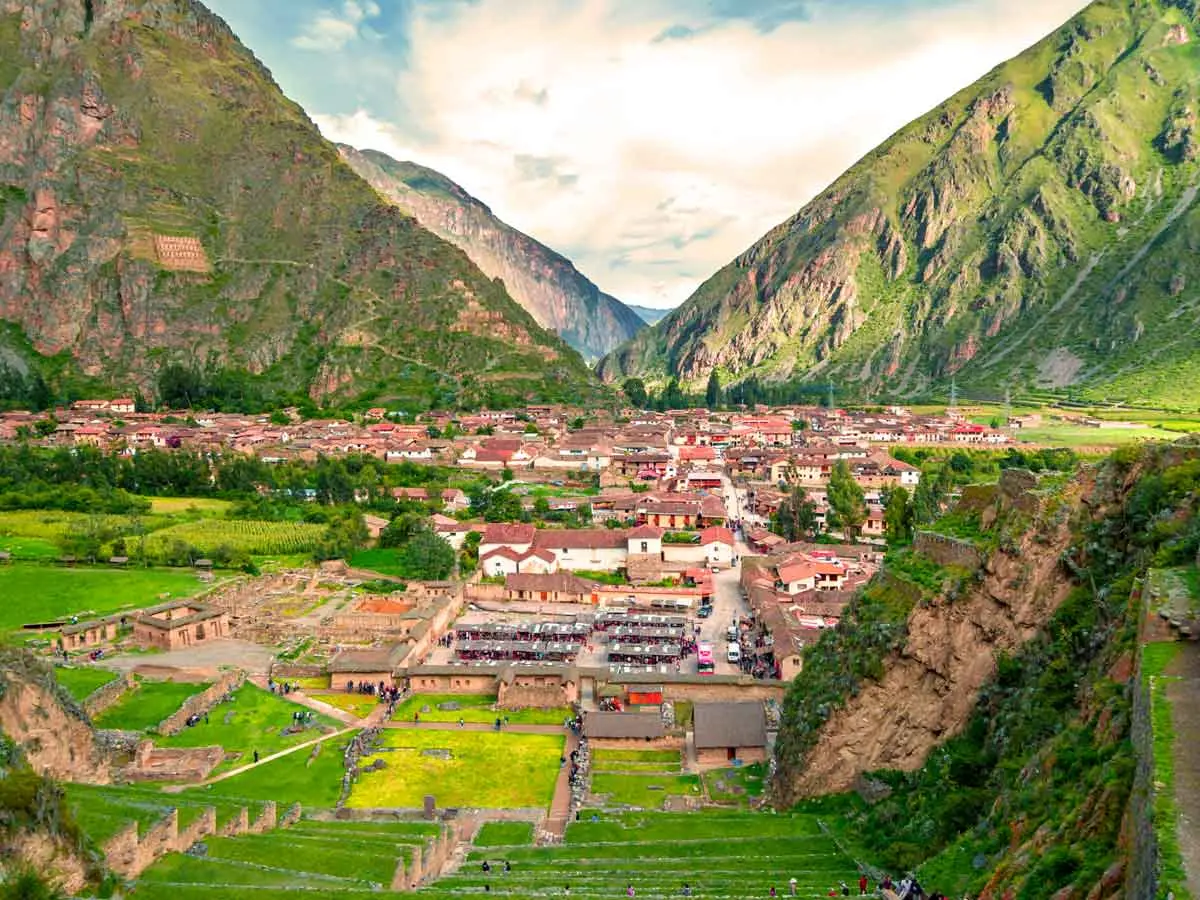
Because Ollantaytambo also functions as a well-preserved Inca town in its own right — complete with its own impressive archaeological site — many travelers build in time here before their train, making the transfer from Cusco not just a logistics step, but part of the day’s itinerary.
Distance and Travel Time
Ollantaytambo sits roughly 70 kilometers (43 miles) from Cusco. Under normal conditions, the drive takes between 1.5 and 2 hours, though this can vary depending on:
- Traffic through Cusco city itself, especially during morning rush hour
- Weather conditions on the mountain road, particularly during the wet season (November–March)
- Your exact starting point within Cusco (a hotel near the historic center vs. the outskirts)
- Road works or seasonal maintenance, which occasionally affect sections of the route
PeruRail vs. Inca Rail: A Quick Overview
While this guide focuses on ground transportation, it helps to understand the trains themselves when planning your timing:
- PeruRail operates several service tiers (Expedition, Vistadome, and the luxury Hiram Bingham), with multiple daily departures from Ollantaytambo to Aguas Calientes (the town at the base of Machu Picchu).
- Inca Rail similarly offers multiple classes of service (including Standard, Voyager, and 360°) with its own daily schedule from Ollantaytambo.
Both companies recommend arriving at the station well before departure, and given that Ollantaytambo station can get busy — especially during peak season — building in extra buffer time is always wise.
Transportation Options from Cusco to Ollantaytambo
1. Shared Colectivos
Colectivos are the most economical way to make this trip and are widely used by both locals and budget-conscious travelers.
Pros:
- Very low cost
- Frequent departures throughout the day
Cons:
- Depart only once full, meaning wait times are unpredictable
- Typically depart from a specific terminal in Cusco, not your hotel, requiring an additional taxi or walk beforehand
- Multiple stops along the route add time
- No guarantee of arriving with enough buffer before a specific train departure
2. Public Buses
Public buses cover similar routes at similarly low prices but come with the same scheduling unpredictability as colectivos, plus generally longer overall travel times.
3. Taxis
Taxis offer more control over departure timing than shared transport, since they leave when you’re ready rather than waiting for other passengers.
Pros:
- More flexible than shared transport
- No fixed departure schedule to work around
Cons:
- Fare negotiation can be inconsistent, and rates aren’t always transparent
- Driver familiarity with optimal routing and timing varies
- No advance confirmation or accountability if plans change
4. Private Transfer
A private transfer, booked in advance and timed specifically around your train departure, removes essentially all of the uncertainty from this leg of the trip.
Pros:
- Pickup scheduled precisely around your train’s departure time, not a generic shared schedule
- Direct, hotel-to-station service with no intermediate stops (unless you request them)
- A fixed, pre-agreed price
- A driver experienced specifically with train-connection timing, who understands the importance of arriving with a safe buffer
- Reduced stress on what is often an important, non-negotiable connection
Cons:
- Higher cost than colectivos or public buses, though the reliability trade-off is significant given what’s at stake (a train that won’t wait)
Given that missing a Machu Picchu train can mean losing an entire day — and potentially a non-refundable Machu Picchu entrance ticket — most travelers consider a private transfer the safer investment for this specific leg of their trip, even if they’ve used shared transport elsewhere in their itinerary.
How Much Time You Should Allow
Both PeruRail and Inca Rail generally recommend arriving at the station at least 30 minutes before your scheduled departure, and boarding closes shortly before the train leaves — there is no flexibility here the way there might be with a bus.
Working backward from your train departure:
- Allow 30 minutes minimum at the station before departure (45-60 minutes is safer during peak season, when check-in lines can be longer)
- Add the 1.5-2 hour drive from Cusco
- Add a buffer of 30-45 minutes for traffic, weather, or unexpected delays
In practice, this means departing Cusco roughly 2.5 to 3 hours before your train’s scheduled departure is a safe general rule, and earlier still if you’re traveling during the rainy season or from a hotel on the outskirts of the city.
What the Drive Looks Like
The route from Cusco to Ollantaytambo winds through the heart of the Sacred Valley, and unlike a purely functional transfer, it’s genuinely scenic:
- Leaving Cusco, the road climbs briefly before descending into the valley
- You’ll pass through or near Pisac, known for its market and hillside ruins
- The route continues along the Urubamba River, flanked by terraced hillsides used for agriculture since Inca times
- Small towns and villages line the way, offering glimpses of daily Andean life
- Arriving in Ollantaytambo itself, you’ll see one of the best-preserved examples of Inca town planning still in use today, with the town’s original grid layout and canal systems still intact
What to Do in Ollantaytambo Before Your Train
If your schedule allows some buffer time (and it’s worth building this in deliberately), Ollantaytambo rewards a bit of exploration:
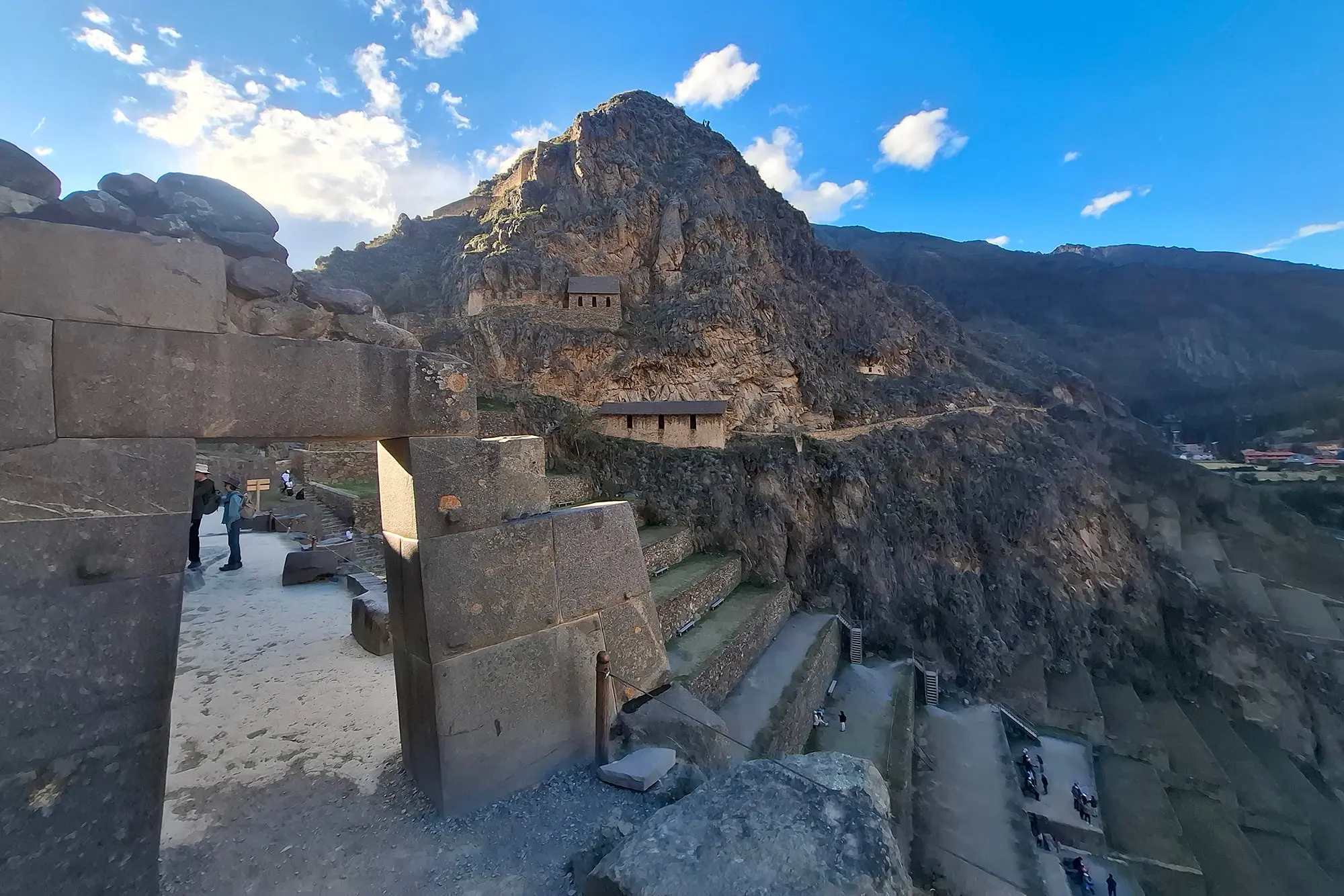
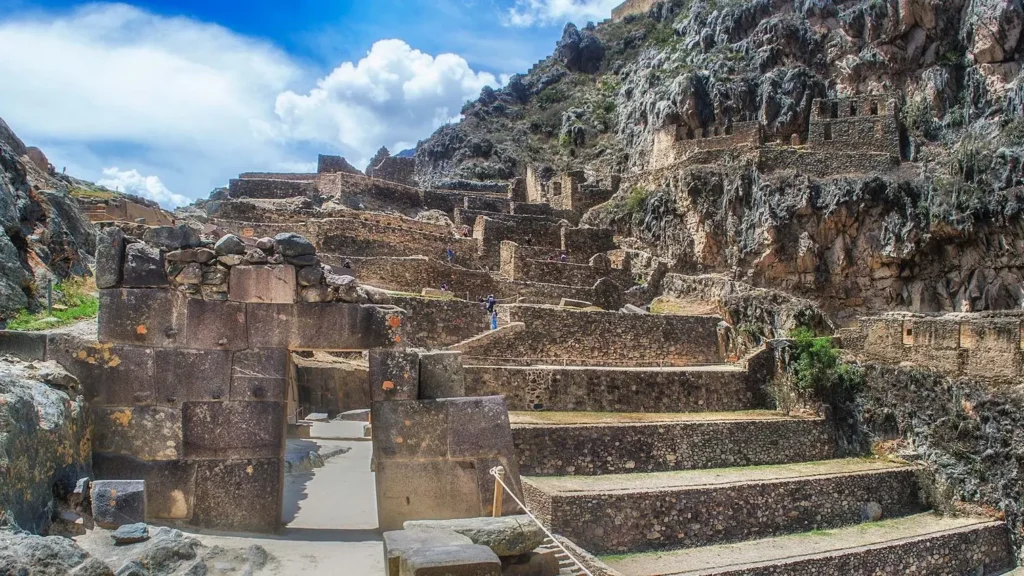
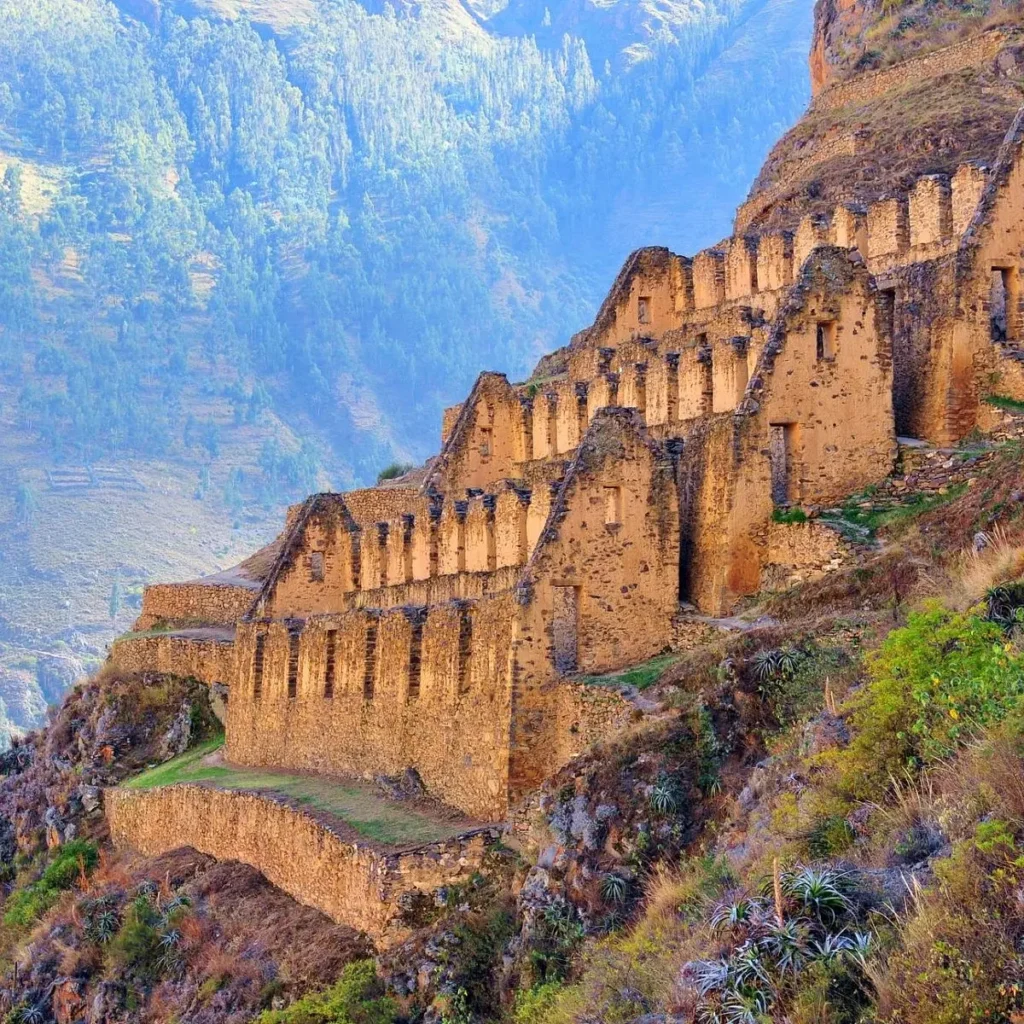
- Ollantaytambo archaeological site: A dramatic Inca fortress and temple complex, notable both for its massive stone terraces and for being one of the few places where Inca forces successfully resisted Spanish conquest, if only temporarily
- The town’s old quarter: Narrow stone streets and water channels laid out during Inca times, still in daily use by residents
- Local cafés near the station: A good option for a final coffee or meal before boarding, especially useful if your train departs at an inconvenient meal time
Common Mistakes to Avoid
- Underestimating travel time, especially during rainy season when road conditions can slow the drive
- Assuming shared transport will get you there predictably, when in fact colectivos and buses depart only once full
- Not confirming your driver has your correct train time and company (PeruRail and Inca Rail depart from slightly different points within the station area)
- Packing heavy luggage without checking train baggage restrictions, which are stricter than most people expect (generally a small backpack or daypack, with larger luggage typically left at your Cusco hotel or a luggage storage service)
Alternative Route: The Hydroelectrica Option
For budget travelers or those short on train availability, some choose an alternative route via Hydroelectrica — a longer combination of van transport followed by a roughly 2-hour walk along the train tracks to Aguas Calientes. This is not a direct substitute for the Ollantaytambo train route in terms of comfort or time, but it’s worth knowing it exists as a lower-cost alternative for a different kind of trip.
Weather and Seasonal Notes
- Dry season (May–September): Generally the most reliable road conditions, but also the busiest time for both transportation and train bookings — book both well in advance
- Wet season (November–March): Higher chance of rain affecting road conditions; allow extra buffer time and prioritize a reliable, experienced driver
Frequently Asked Questions
Can my driver wait with me at the station, or do we say goodbye at drop-off?
Typically, the transfer ends at drop-off at the station, since the driver will usually continue with other services. Station staff and clear signage guide you through the boarding process from there.
What if my train is delayed or the schedule changes?
This is rare, but it’s worth keeping your transfer company’s contact information on hand in case you need to adjust return transportation plans.
Is it better to stay overnight in Ollantaytambo before an early train?
For very early morning departures, many travelers do choose to spend the previous night in Ollantaytambo rather than making the drive from Cusco in the dark, which removes the timing pressure entirely.
Do I need to arrive by a specific station entrance?
Ollantaytambo station has clear signage, and both major rail companies have visible check-in areas; your driver, if using a private transfer service familiar with the route, can point you in the right direction on arrival.
Final Thoughts
Of all the transportation legs in a typical Machu Picchu itinerary, the trip from Cusco to Ollantaytambo carries some of the highest stakes, simply because trains don’t wait. Whether you choose a budget-friendly shared option or a pre-arranged private transfer timed precisely to your departure, the key is building in enough buffer time and choosing transportation you can actually count on. Get this leg right, and the rest of your Machu Picchu day tends to fall smoothly into place.